
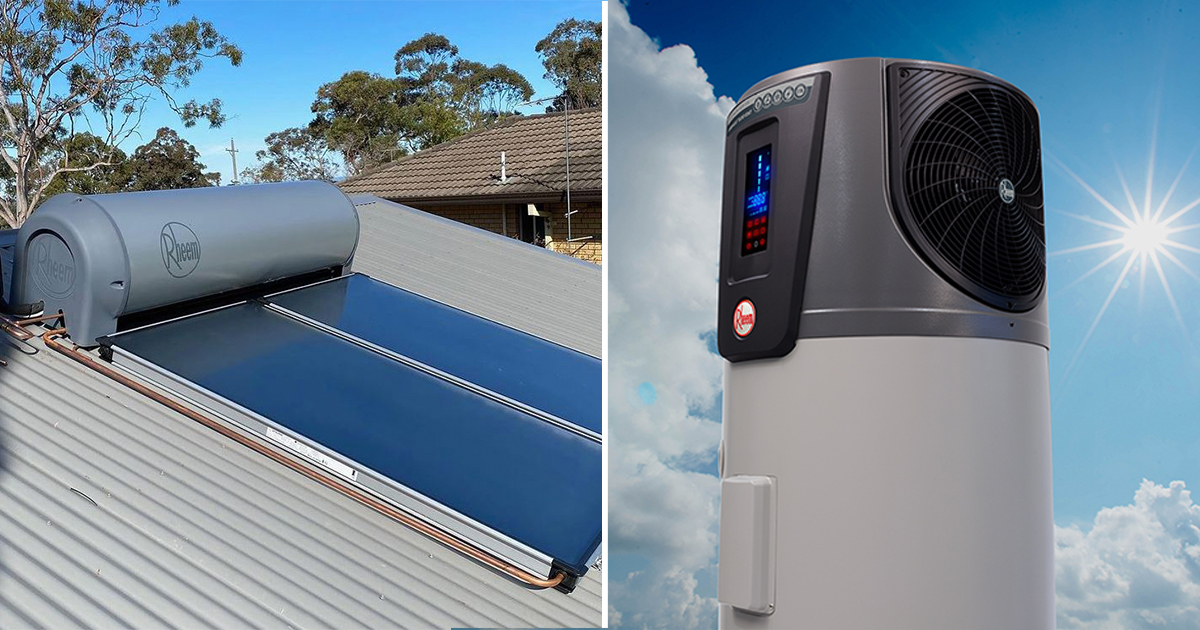
Hot water is an essential part of everyday life, but it is also one of the largest contributors to household energy consumption. As homeowners look for ways to reduce electricity bills and minimise their environmental impact, eco-friendly water heating systems have become increasingly popular. Two of the most common options are solar water heaters and heat pump water heaters. Both offer impressive energy savings, but each is suited to different homes, climates, and household needs.
Understanding the advantages of each system can help you make a confident investment that delivers long-term value.
How Solar Water Heaters Work
Solar water heaters use energy from the sun to heat water through roof-mounted collectors. The heated water is then stored in an insulated tank, ready for household use. Because the system relies primarily on renewable solar energy, it significantly reduces dependence on traditional electricity or gas.
Many systems also include a backup heating element to ensure a reliable supply of hot water during cloudy weather or periods of increased demand.
This combination of renewable energy and backup support provides both efficiency and convenience.
Understanding Heat Pump Water Heaters
Heat pump systems operate differently. Rather than generating heat directly, they extract warmth from the surrounding air and transfer it into the water storage tank. This process uses considerably less electricity than conventional electric water heaters while delivering consistent hot water throughout the year.
Heat pumps perform particularly well in moderate climates where ambient temperatures remain suitable for efficient operation.
Their ability to operate independently of direct sunlight makes them an attractive option for many households.
Comparing Energy Efficiency
Both technologies are designed to reduce household energy consumption, but their performance depends on environmental conditions.
A solar water heater can achieve exceptional energy savings in locations that receive consistent sunlight throughout the year. The greater the solar exposure, the lower the ongoing operating costs.
Heat pump systems maintain strong efficiency even during overcast conditions because they rely on air temperature rather than direct sunlight. This consistency makes them suitable for a wider range of installation locations.
Evaluating your local climate is an important step before choosing either system.
Installation and Space Requirements
Installation requirements differ between the two technologies. Solar systems require adequate roof space with good sun exposure for collector panels, while heat pumps require sufficient outdoor space around the unit to circulate air efficiently.
When considering solar water heater options, homeowners should carefully assess roof orientation, shading, and available installation space before proceeding.
Many households find that installing a solar hot water system provides substantial long-term savings while increasing the property’s environmental sustainability and reducing reliance on conventional energy sources.
Professional installation ensures the system operates safely and performs at its highest potential.
Maintenance and Long Term Costs
Both systems require routine maintenance, although the type of servicing varies. Solar systems may require occasional inspections of collectors, pipes, and storage tanks, while heat pumps benefit from regular cleaning and servicing of mechanical components.
Although the initial purchase price may differ, lower operating costs often offset the investment over time. Government incentives and energy savings can further improve long-term value depending on available programs.
Choosing a quality system and scheduling regular maintenance helps maximise lifespan and efficiency.
Which Option Is Right for Your Home
The ideal choice depends on several factors, including household hot water usage, available installation space, climate conditions, and long-term energy goals.
Homes with excellent sun exposure may achieve greater savings through solar technology, while properties with limited roof access or variable sunlight may benefit more from the consistent performance of a heat pump.
Consulting experienced professionals helps ensure the selected system aligns with your property’s specific requirements.
home energy efficiency upgrades and renewable energy solutions continue to receive growing attention as more homeowners seek practical ways to reduce utility costs while supporting environmentally responsible living.
Final Thoughts
Both solar water heaters and heat pump systems provide excellent alternatives to traditional water heating methods. Each offers meaningful reductions in energy consumption, lower operating costs, and a smaller environmental footprint compared with conventional systems.
The best solution depends on your home’s location, available space, and household needs. By carefully evaluating these factors and seeking professional advice, homeowners can invest in a reliable water heating system that delivers comfort, efficiency, and long-term savings for many years to come.
