
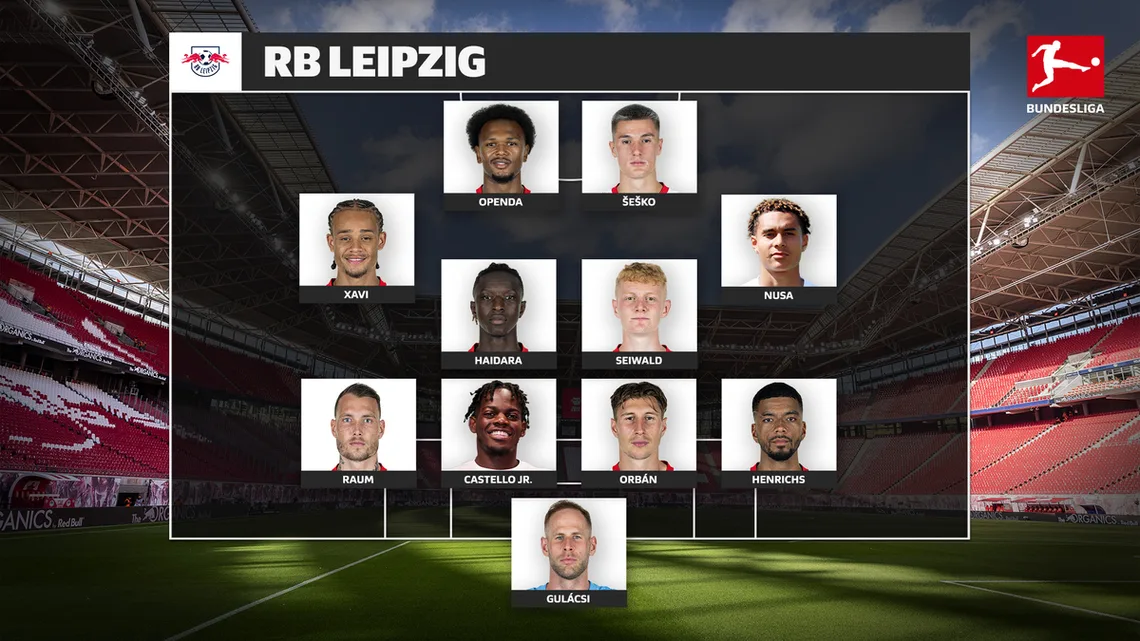
Following one Bundesliga team with a bet in every league match during the 2024/25 season sounds simple and loyal, but across 34 games it becomes a long‑term financial and psychological commitment rather than a weekend habit. Whether this approach feels “worth it” to a regular bettor depends on how that consistency interacts with odds value, team volatility, and the emotional swings of a campaign that runs from late August 2024 to mid‑May 2025.
What Does “Following One Team All Season” Really Mean in Practice?
The core idea is to pick a single Bundesliga club and place a bet involving that team in every one of its 34 league fixtures, regardless of opponent, form, or injuries. In most real‑world cases, bettors either back their chosen team to win, use a recurring handicap, or tailor bets around that team’s goals, but the key constraint is that they do not skip games just because the matchup looks uncomfortable. This approach effectively converts a fan relationship into a long‑term betting project, where attachment to one club determines which edges are even considered instead of letting odds quality drive bet selection.
Why Focusing on One Team Can Seem Attractive to Bettors
From a bettor’s perspective, narrowing focus to a single club appears reasonable because specialization often improves understanding of tactics, player roles, and scheduling dynamics. Watching all 34 matches, including mid‑table clashes and early‑kickoff games, can reveal in‑game patterns—like second‑half surges or vulnerability to crosses—that broad, multi‑league bettors might miss. The perceived cause–effect chain is straightforward: deeper knowledge of one team should lead to more accurate assessments, which in turn should produce smarter bets and a season that feels more under control than spreading attention across the entire league.
Structural Features of the 2024/25 Season That Influence This Strategy
The 2024/25 Bundesliga season runs from Matchday 1 on 23–25 August 2024 through Matchday 34 on 17 May 2025, with a winter break after Matchday 15 and a restart in January for Matchday 16. That structure matters because the chosen team will pass through several distinct phases: early fixtures when tactics are still settling, pre‑break congestion, the restart after a layoff, and the run‑in when title races, European spots, or relegation pressure intensify. Following one club mechanically across all those phases guarantees exposure during their worst patches of form, not just the good weeks, and forces the bettor to weather long winless runs if the season turns against that team.
Hypothetical Case Setups: Picking Different Types of Teams
To judge whether the strategy can feel worthwhile, it helps to break it into hypothetical cases based on the type of team selected rather than naming specific clubs. A title contender, for example, tends to have high win rates but low moneyline odds, so backing them every match can string together many wins while still producing modest profit or even a net loss if they underperform relative to pricing. A mid‑table side may be priced more generously but can be streaky, creating bigger swings, while a relegation candidate can provide high odds and occasional big wins at the cost of long losing patches that test both bankroll and patience.
Comparative Scenarios: Favorite, Mid-Table, and Underdog
To see the dynamics more clearly, imagine three stylized profiles over the same 34‑match schedule.
- Case A: A top‑tier team wins roughly 22–25 matches but is heavily favored in most of them, meaning the average payout on a win is low and a cluster of draws or surprise losses can erase many successful bets.
- Case B: A mid‑table team alternates between hot and cold streaks, finishing with around 13–16 wins and several draws, creating periods of strong profit and equally sharp downturns when form dips.
- Case C: A struggling team wins only 7–9 times but at relatively high odds, so a few big wins stand out, yet the long strings of losing bets dominate the overall experience.
What these scenarios show is that following one team does not automatically improve the math; it mainly concentrates variance into a single narrative. The bettor’s experience is shaped less by the league as a whole and more by that club’s particular swings, which can make the season feel exhilarating or punishing depending on how closely the team’s results track pre‑season expectations.
Illustration: Example Outcome Table for a Season-Long Follower
A simple table helps translate this idea into numbers, using an illustrative “flat stake” approach where the bettor wagers 1 unit on each league match.
| Team profile | Wins / draws / losses (illustrative) | Avg odds on win | Approx. season result (34 x 1 unit stakes) |
| Title contender | 23W / 6D / 5L | 1.40 | Small profit or break‑even if priced efficiently. |
| Mid‑table side | 14W / 8D / 12L | 2.10 | Moderate swings; result hinges on a few key games. |
| Relegation struggler | 8W / 7D / 19L | 3.20 | A few big wins, often outweighed by frequent losses. |
These numbers are illustrative rather than predictive, but they highlight how team type, odds level, and actual results interact. In all three cases, the feeling of “worth it” for the bettor depends not only on final profit or loss, but also on the emotional cost of riding those streaks—because even a small end‑of‑season gain can feel exhausting if achieved through long, stressful drawdowns tied to a single club’s fortunes.
How Emotional Attachment Amplifies Risk When Following One Team
Betting on the same club every week often overlaps with supporting that team as a fan, which blends emotional identity with financial exposure. When the club experiences a rough run—injuries, tactical misfires, or late collapses—the bettor is tempted either to double down in belief that results will “turn around” or to flip and bet against the team in anger, both of which are emotionally driven responses rather than value‑driven choices. Over 34 games, this fusion of fandom and staking can magnify bias, cause the bettor to ignore clear red flags in performance data, and make it harder to step back even when the strategy is clearly underperforming.
Mechanisms: Biases Specific to Single-Team Following
Several cognitive biases become especially strong when focusing on one team for an entire season. Confirmation bias leads bettors to highlight stats that support continued backing of their chosen club while downplaying indicators of decline, while recency bias makes them overreact to the last few results, either by increasing stake size after a winning streak or abandoning cautious methods after a slump. Because every bet involves the same team, these biases compound over time, eroding the original rationale for the strategy and replacing it with a roller‑coaster driven by hopes, fears, and narratives around that club.
Integrating a Single-Team Strategy with a Structured Betting Platform
The practical impact of this approach also depends on how bets are placed and tracked across the season. When a bettor channels their one‑team plan through an organized online betting site such as ufabet, the key question is whether that environment helps separate emotional narratives from hard numbers—for instance, by allowing easy filtering of all wagers involving the chosen club, quick visibility into net results, and clear records of odds and stake sizes. With this data‑oriented view, the bettor can periodically review whether following that one team is producing acceptable outcomes relative to risk, rather than relying on gut feeling based on a handful of dramatic wins or losses.
Where a One-Team Strategy Can Make Sense for a Player
From a player’s perspective, following one team across all 34 matches can feel worthwhile under certain conditions. If the bettor deliberately keeps stakes small, treats the project as a season‑long experiment, and uses it to learn how odds, form, and variance interact in a controlled setting, the educational value can be high even if profits are modest. The approach can also improve focus and research habits, because preparing for each fixture of the same club encourages deeper study of tactical adjustments, schedule congestion, and injury management than casual, scattered betting.
Conditional Scenarios: When the Strategy Fails Hard
The same structure can fail badly when key conditions break down. If the chosen team faces unexpected crises—key injuries, coaching changes, or European fatigue—the bettor may stubbornly stick to the plan despite clear evidence of declining performance, turning the season into a slow bleed. Similarly, if the player starts adjusting stakes reactively—raising bets after wins, chasing after losses, or adding parlays involving the same team to “make the season worth it”—then whatever informational edge they gained from specialization is drowned by volatility driven by emotion and poor bankroll control.
How Broader Gambling Context Can Distort the Case Study
In reality, most bettors do not limit themselves strictly to one team; they often combine this long‑term commitment with other football bets and sometimes non‑sports products in the same account. When frustration with a losing streak on the chosen club spills over into other gambling activities, the clean case study of “one team across 34 games” becomes muddied by additional risk that was never part of the original concept. The presence of a wider casino online website in the same ecosystem can tempt a bettor to chase or “compensate” for the season’s results with high‑variance side bets, which undermines the ability to evaluate whether the single‑team approach itself was viable.
Summary
Evaluating the idea of betting on one Bundesliga team in every 2024/25 league match shows that the strategy is not inherently profitable or unprofitable; its value depends on team choice, odds quality, stake discipline, and emotional resilience across all 34 games. For many players, the main benefit lies in focused learning and narrative engagement rather than in guaranteed returns, while the main risks come from heightened attachment, concentrated variance, and the temptation to ignore evidence when the chosen club’s season diverges from expectations.
