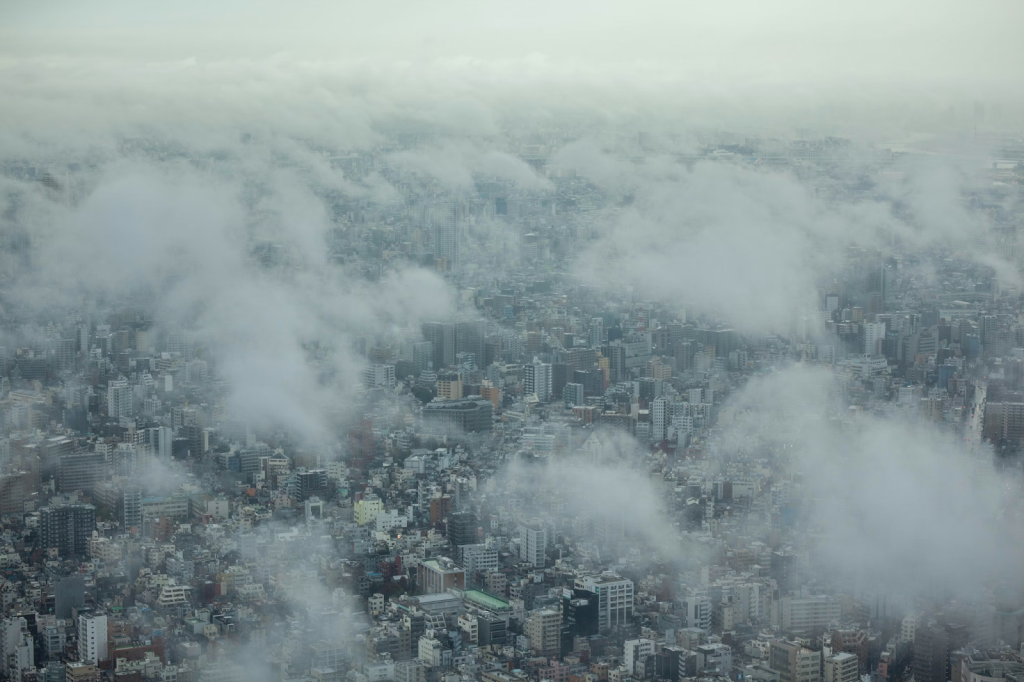
Megacities are no longer just places where millions sleep, commute and pay taxes. Urban giants increasingly behave like political actors with their own interests, strategies and foreign agendas. From climate diplomacy to migration debates, the influence of cities is felt in spaces that used to belong almost entirely to nation states.
In many ways, modern urban politics resembles a big baller game, where the biggest cities move first, set the tempo and force others to adapt. When city halls negotiate directly with international organizations, craft independent climate targets or lobby for infrastructure funding, the result looks less like traditional local governance and more like a sophisticated power play on a global board.
From industrial hubs to autonomous political players
Historically, large cities grew powerful through factories, ports and financial centers. Economic gravity brought capital, talent and innovation. Political power followed later and was usually filtered through national institutions. Today that order is reversed. Many megacities behave as if political agency is a core function, not an afterthought.
Population size gives city administrations a strong argument. A metropolitan area of 15 or 20 million residents can claim to represent more citizens than entire countries. This scale justifies separate strategic agendas on housing, transport, energy and safety. It also allows local governments to frame policies as national priorities in everything but name.
At the same time, global challenges often hit cities first and hardest. Floods, heat waves, pandemics and economic shocks are lived most intensely in crowded metropolitan space. When urban administrations respond more quickly than national governments, public trust begins to shift. Confidence in city leadership can become a political resource that travels far beyond municipal borders.
Engines of soft power and innovation
Megacities use culture, technology and lifestyle as tools of soft power. A successful urban brand attracts investors, conferences, start ups and international students. This reputation gradually turns into political leverage. Actors that want access to markets or talent increasingly treat the city itself as a partner, not just the country that hosts it.
Key drivers of city level political power
Before megacities influence global debates, several underlying forces usually emerge. The most frequent include:
- strong fiscal base that allows independent investment in infrastructure and public services
- diversified economy with universities, tech clusters and creative industries
- dense civil society with active NGOs, unions and community groups that lobby local authorities
- international connectivity through airports, ports and digital links that makes the city a global node
- visible success stories in mobility, green energy or social policy that attract global attention
These drivers make urban governance more experimental and ambitious. When city administrations test policies at a smaller scale, outcomes become case studies that shape legislation at regional and national level.
Networks that bypass national governments
One city acting alone has limited capacity. The situation changes when dozens of megacities join transnational networks. Membership in climate alliances, resilience coalitions or migration forums allows mayors and city councils to coordinate positions, share data and propose joint standards. In practice this collective voice sometimes competes with the agenda of national ministries.
Urban networks often move faster than intergovernmental bodies. While national leaders negotiate treaties over many years, city representatives pilot concrete measures such as low emission zones, new building regulations or digital identity solutions. Successful formats spread horizontally from city to city without waiting for parliamentary approval.
There is also a symbolic layer. Meetings of mayors, urban summits and city pavilions at major conferences signal that local governments claim a place at the big political table. Visibility creates expectations. Once citizens observe city leaders speaking about global issues, it becomes natural to hold them accountable for more than street lighting and waste collection.
Practical ways megacities act on the global stage
As political actors, megacities operate through a mix of public policies and symbolic gestures. Typical strategies include:
- signing their own climate or human rights declarations with specific targets and timelines
- opening representative offices abroad to promote investment, tourism and cultural exchange
- partnering with international organizations on pilot projects in transport, housing or digital services
- issuing local green bonds or social bonds to finance strategic infrastructure
- using public procurement rules to push ethical, sustainable or inclusive standards among suppliers
These actions may seem local, yet they influence global norms when adopted by many large cities at once.
Risks, limits and future directions
Growing city power is not without tension. National governments sometimes see independent international activity by megacities as competition or even disloyalty. Conflicts arise when local climate goals clash with national industrial policy, or when city migration programs contradict border strategies. Legal frameworks often lag behind this new reality and leave responsibilities unclear.
Inequality between cities is another problem. Only a small group of global hubs has the resources to become serious political players, while smaller urban areas struggle with basic services. There is a danger that global city diplomacy reflects the interests of a narrow group of wealthy metropolitan regions rather than broader national societies.
Despite these limits, the trajectory is clear. As population, capital and innovation concentrate in urban space, megacities will continue to negotiate, protest, experiment and coordinate at global level. The political map of the future is likely to be drawn not only with national borders, but also with powerful city names that speak for millions and shape the rules of the game.