
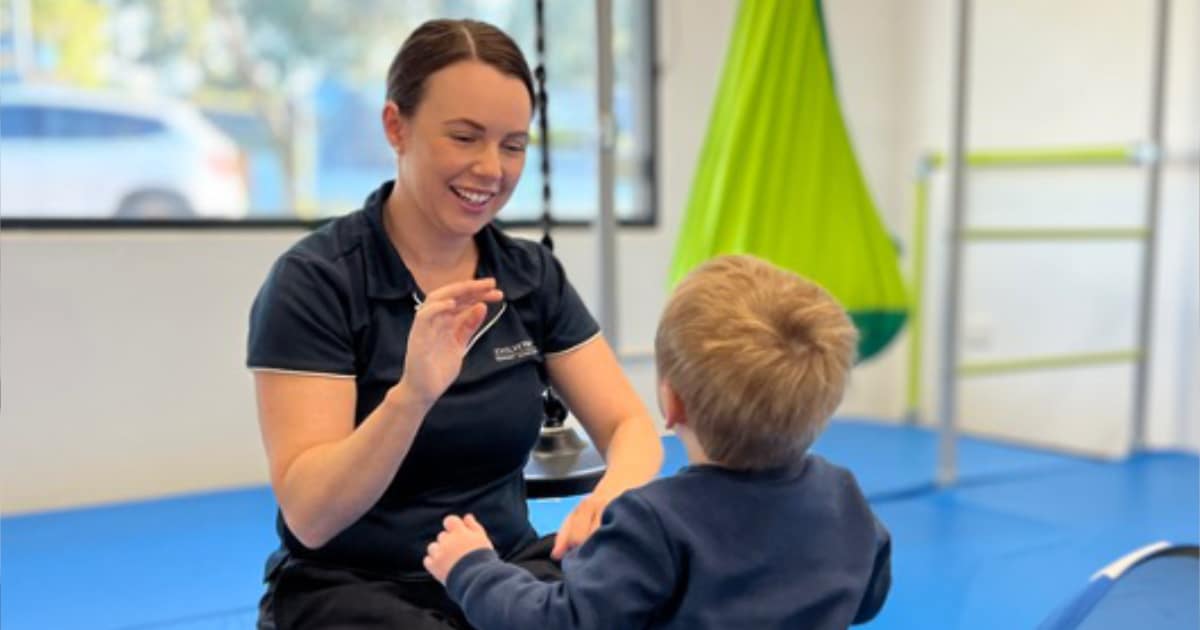
Occupational therapy plays an important role in helping individuals improve their ability to participate in daily life with greater confidence and independence. Rather than focusing only on symptoms or limitations, occupational therapy looks closely at practical goals that matter to the individual. These goals may involve personal care, mobility, communication, education, social participation, or everyday living activities.
Goal based therapy has become increasingly important within modern healthcare and disability support because it creates more personalised pathways toward meaningful progress. For many individuals and families, this approach provides clearer direction, measurable outcomes, and stronger motivation throughout the therapy process.
Understanding The Purpose Of Goal Based Therapy
Every individual experiences different challenges, strengths, and priorities. Goal based therapy recognises that support should be tailored around what the person wants to achieve rather than applying a one size fits all approach.
Goals may include improving fine motor skills, increasing independence at home, developing social interaction abilities, managing sensory challenges, or building confidence in school or workplace environments.
By focusing on realistic and meaningful objectives, therapy becomes more practical and relevant to everyday life.
Why Occupational Therapists Focus On Daily Function
Occupational therapists work closely with individuals to identify activities that are difficult, stressful, or limiting participation in daily routines. Therapy strategies are then designed to improve these functional areas gradually.
This practical focus helps individuals build skills that directly support independence and quality of life. Small improvements in daily functioning often create significant positive impacts over time.
Goal based therapy is therefore not only about clinical progress. It is about helping people participate more comfortably in the activities that matter most to them.
Personalised Support Creates Better Outcomes
One of the major strengths of occupational therapy is its personalised approach. Therapists consider physical abilities, emotional wellbeing, environmental factors, and lifestyle needs when designing support plans.
A child working on classroom participation, for example, may require very different strategies compared with an adult aiming to improve independent living skills.
Families seeking qualified occupational therapist Perth NDIS services often value this personalised structure because it allows therapy to align closely with individual NDIS goals and long term support needs.
Personalised planning encourages more meaningful and sustainable progress.
Building Confidence Through Achievable Goals
Large goals can sometimes feel overwhelming, especially for individuals managing developmental, physical, or neurological challenges. Occupational therapists often break objectives into smaller achievable steps that build confidence gradually.
Each milestone helps reinforce motivation and creates a clearer sense of progress. Over time, these smaller improvements can lead to significant gains in independence and participation.
Confidence development is often just as important as physical or functional improvement itself.
Collaboration With Families And Support Networks
Goal based occupational therapy frequently involves collaboration with parents, carers, teachers, support workers, or healthcare professionals. Consistency across environments helps individuals practice and reinforce new skills more effectively.
Therapists may provide practical strategies that can be integrated into home routines, educational settings, or community participation activities.
This collaborative approach strengthens long term outcomes because progress continues beyond therapy sessions alone.
Supporting NDIS Participants More Effectively
Within NDIS funded support, goal based therapy plays a particularly important role because participant plans are structured around achieving specific personal outcomes.
Occupational therapists help assess functional capacity, recommend support strategies, and develop practical pathways toward increased independence and participation.
For many individuals working with an occupational therapist perth, therapy becomes a key part of building confidence and improving daily quality of life within the broader NDIS framework.
The focus remains centred on meaningful personal development.
Helpful Related Therapy Research
Families and participants also benefit from reviewing NDIS functional capacity assessment processes and sensory integration therapy strategies because these related topics provide broader understanding of how occupational therapy supports long term development goals.
Better understanding strengthens support planning.
Goal Based Occupational Therapy
Goal based occupational therapy provides a highly personalised and practical approach to improving everyday independence and participation. By focusing on meaningful objectives, therapists help individuals build skills that directly support daily life, confidence, and long term wellbeing.
The strength of this approach lies in its flexibility and individual focus. Therapy is not measured only by clinical improvement but by how effectively individuals can engage in the activities that matter most to them.
With the right guidance, structured goals, and ongoing support, occupational therapy can create lasting positive changes that extend well beyond the therapy environment itself.
