
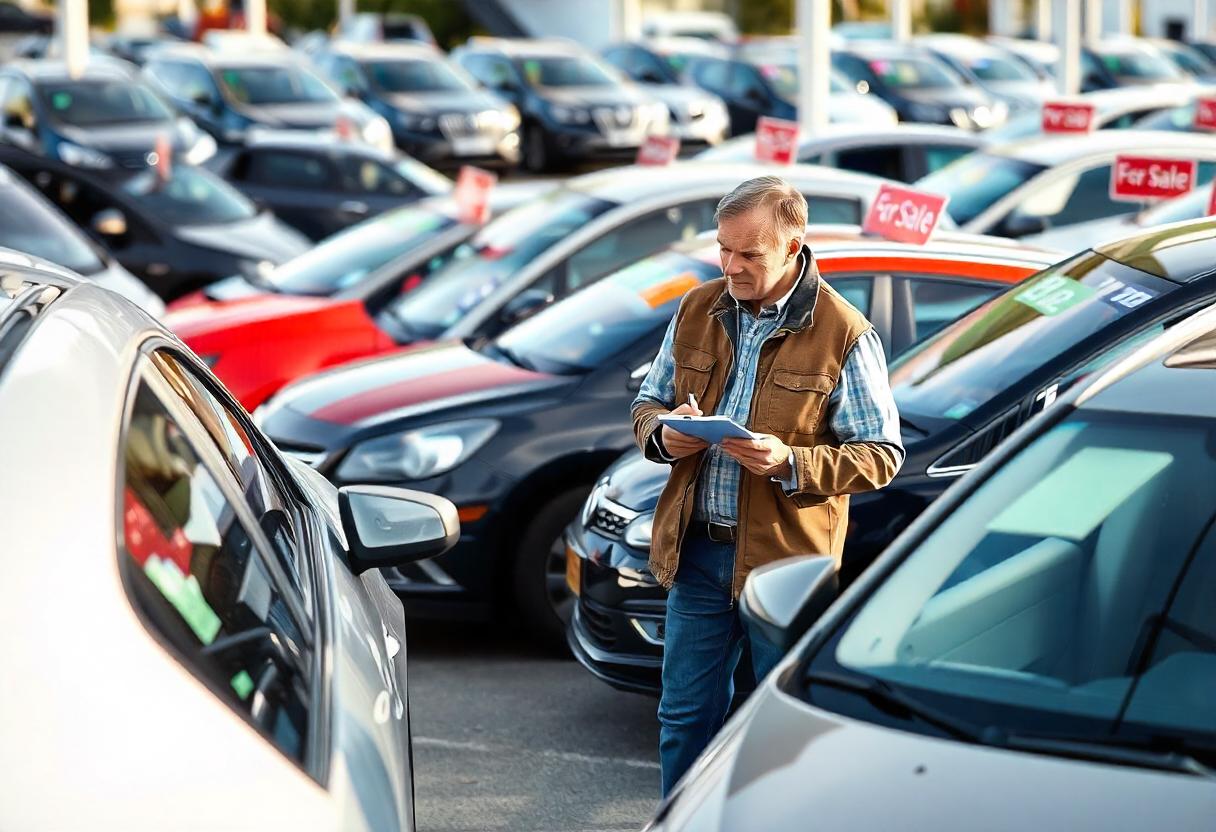
Buying a pre-owned vehicle can be a practical way for NSW drivers to find a reliable car while keeping their budget under control. However, choosing the right vehicle requires more than simply comparing prices. From checking the car’s history and condition to understanding registration and running costs, buyers should consider several factors before making a decision. If you are exploring nsw second hand cars for sale, taking time to research your options can help you make a more informed purchase. You can also browse second-hand vehicles in NSW to see the types of vehicles currently available.
Set a Realistic Budget
Before visiting dealerships or comparing listings online, establish a realistic budget. The purchase price is only one part of the overall cost of owning a vehicle. Buyers should also account for registration, insurance, fuel, servicing, tyres and potential repairs.
It can be useful to leave some room in your budget for unexpected expenses. A slightly cheaper vehicle may not always represent better value if it requires significant maintenance shortly after purchase. Looking at the total cost of ownership can give you a clearer picture of whether a particular vehicle fits your finances.
Research the Vehicle Carefully
Once you have identified a car you are interested in, research its make, model and year. Look at common reliability considerations, fuel economy, safety features and typical servicing requirements.
It is also worth comparing similar vehicles to understand whether the asking price appears reasonable. Factors such as mileage, condition, age, specifications and service history can all influence the value of a pre-owned car.
Research can also help you decide which features are genuinely important. For example, families may prioritise interior space and safety technology, while city drivers might place greater importance on fuel efficiency and compact dimensions.
Check the Vehicle’s History
A vehicle’s history can tell you important information that may not be obvious from its appearance. Before purchasing, ask about previous ownership, servicing and any known repairs.
In NSW, buyers should also consider checking whether the vehicle has any relevant financial or registration issues. A vehicle history check can provide useful information and help identify potential concerns before you commit to the purchase.
The service history is particularly important. Regular servicing can indicate that previous owners have maintained the vehicle properly. Look for documentation where available and compare service records with the manufacturer’s recommended maintenance schedule.
Inspect the Car’s Condition
A thorough inspection is essential when buying any pre-owned vehicle. Examine the exterior for dents, scratches, mismatched paint or signs of previous repairs. Check the tyres for even wear and inspect the lights, mirrors, windows and other exterior components.
Inside the vehicle, check the seats, dashboard, air conditioning, infotainment system, windows and other controls. During a test drive, pay attention to unusual noises, vibrations, steering behaviour and braking performance.
If you are not confident assessing mechanical condition yourself, consider having the vehicle inspected by a qualified mechanic before purchasing. An independent inspection can potentially identify issues that are difficult for an inexperienced buyer to spot.
Take the Car for a Test Drive
A test drive gives you the opportunity to understand how the vehicle feels on the road. Try to drive in different conditions where possible, including slower streets and higher-speed roads.
Pay attention to acceleration, braking, steering and transmission behaviour. Make sure you are comfortable with the seating position and visibility. If you are buying the car for regular commuting or family use, consider whether the vehicle feels suitable for the situations in which you expect to use it most.
Don’t feel pressured to rush through the test drive. Taking a little extra time can help you notice things that may otherwise be overlooked.
Understand Registration and Insurance
NSW drivers should make sure they understand the vehicle’s registration status and what is required after purchasing it. Registration details and transfer requirements can vary depending on the circumstances, so buyers should check the current NSW requirements before completing the transaction.
Insurance is another important consideration. Obtain insurance quotes before buying so that you understand the ongoing cost. Factors such as the driver’s age, location, vehicle type and driving history can influence premiums.
Including these expenses in your budget will give you a more accurate estimate of the overall cost of owning the vehicle.
Consider the Vehicle’s Future Running Costs
Two cars with similar purchase prices can have very different long-term costs. Fuel consumption, servicing requirements, tyre prices and insurance can all affect your ownership expenses.
Consider how many kilometres you expect to drive each year and what type of driving you normally do. A fuel-efficient vehicle may be particularly useful for drivers with long commutes, while a larger vehicle may be more appropriate for people who regularly carry passengers or equipment.
It is also sensible to research the availability and cost of replacement parts and routine servicing for the model you are considering.
Don’t Be Afraid to Ask Questions
A reputable seller should be willing to answer reasonable questions about a pre-owned vehicle. Ask about its service history, previous use, condition, registration and any known repairs.
If something about the vehicle or its history is unclear, ask for clarification before making a purchase. You should have enough information to make a decision that suits your needs and budget.
Make an Informed Decision
Buying a pre-owned car does not need to be complicated, but it does require careful preparation. Setting a budget, researching different models, checking vehicle history, inspecting the car and taking a proper test drive can all help NSW drivers approach the buying process with greater confidence.
Most importantly, avoid choosing a vehicle based solely on its advertised price. Consider its condition, history, features and expected running costs together. With proper research and a careful inspection, buyers can narrow down their options and find a pre-owned vehicle that is appropriate for
