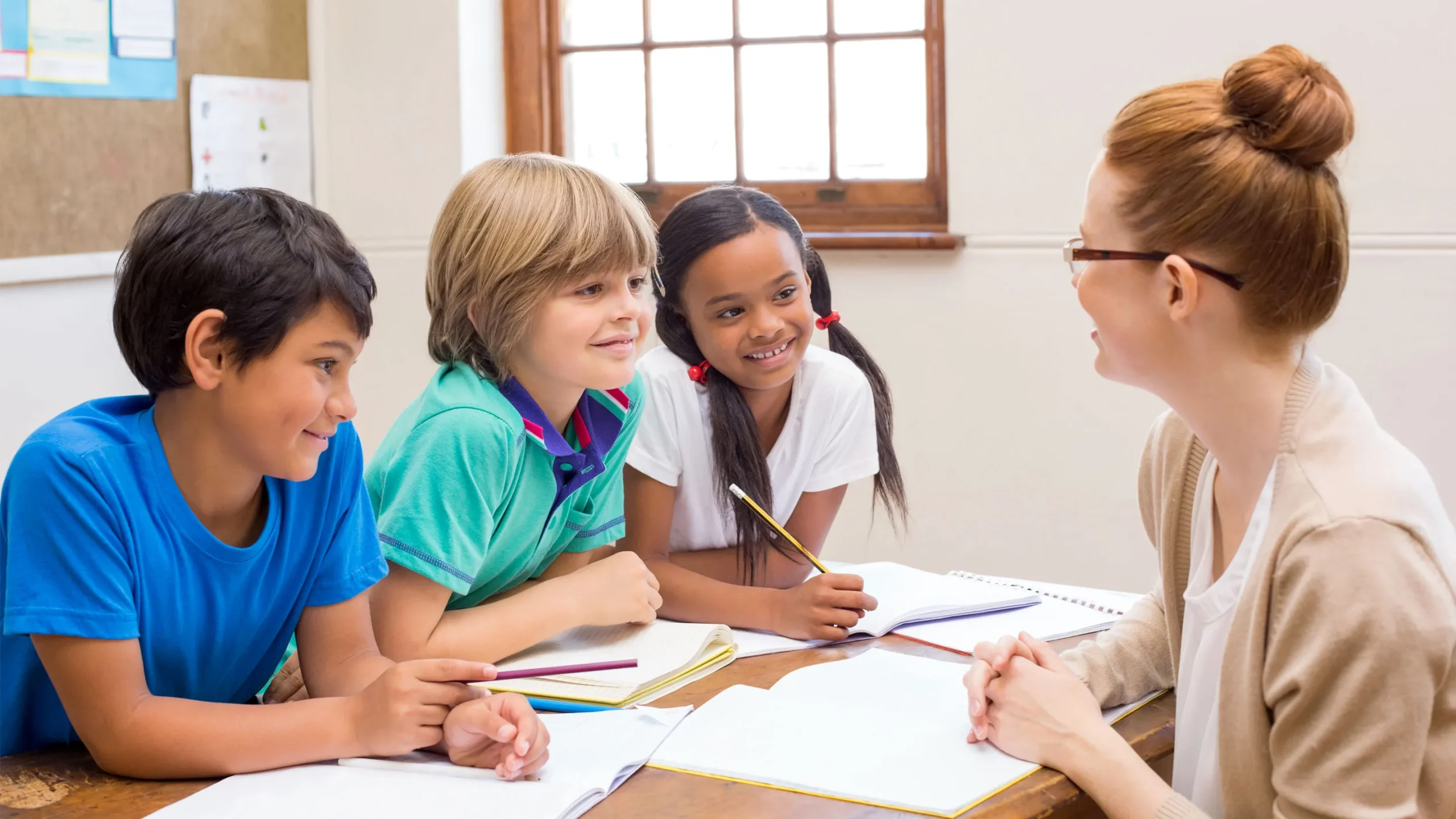
Inclusive education ensures that all students, regardless of ability, background, or identity, have equal access to quality learning experiences. When teachers create truly inclusive environments, every student feels valued, respected, and capable of success. The thoughtful integration of tech tools has expanded possibilities for accommodating diverse learning needs and preferences. This article examines strategies for building classroom communities where diversity is celebrated and every student can thrive.
Understanding and Implementing Universal Design for Learning
Universal Design for Learning (UDL) provides a framework for creating flexible learning environments that accommodate individual learning differences from the outset rather than retrofitting accommodations later. The three UDL principles—multiple means of representation, action and expression, and engagement—ensure that curriculum is accessible to all learners. Providing information in various formats addresses different learning preferences and abilities. Offering choices in how students demonstrate understanding recognizes that there are many valid ways to show learning.
Implementing UDL requires intentional planning but benefits all students, not just those with identified disabilities. Visual supports, audio options, hands-on activities, and digital resources provide multiple entry points for understanding complex concepts. Flexible grouping, varied assessment formats, and choice in assignments allow students to work in ways that suit their strengths. The goal is removing barriers to learning while maintaining high expectations for all students. When curriculum is designed with diversity in mind from the beginning, fewer students require separate accommodations and all benefit from the flexibility built into instruction.
Creating Culturally Responsive Learning Environments
Culturally responsive teaching recognizes that students’ cultural backgrounds significantly influence how they learn and interact in educational settings. Incorporating diverse perspectives, examples, and materials into curriculum helps all students see themselves reflected in their education while learning about others. Literature selections, historical examples, mathematical problems, and scientific applications should represent the diversity of human experience rather than presenting a single cultural perspective as universal.
Building cultural responsiveness also means examining classroom practices for hidden biases that might advantage some students while disadvantaging others. Communication styles, participation expectations, and behavioral norms vary across cultures, and what seems like disrespect or disengagement might actually reflect different cultural values. Taking time to learn about students’ backgrounds, involving families in education, and being willing to adapt teaching approaches demonstrates respect for diversity. Creating space for students to share their experiences and perspectives enriches learning for everyone while validating diverse identities.
Supporting Students with Diverse Learning Needs
Inclusive classrooms serve students with a wide range of abilities, from those with identified disabilities to gifted learners and everyone in between. Differentiated instruction provides varied levels of support and challenge to meet students where they are. This might include modified assignments, additional scaffolding, extension activities, or alternative assessment formats. The key is maintaining high expectations while providing necessary supports, avoiding the trap of lowering standards for struggling students.
Collaboration with special education teachers, counselors, and support staff ensures that students with identified needs receive appropriate services within the general education setting whenever possible. Co-teaching models, push-in support, and consultation help classroom teachers implement effective strategies for diverse learners. Regular communication with families provides insights into student needs and ensures consistency between home and school. Creating a classroom culture where asking for help is normalized and differences are respected reduces stigma around receiving support services.
Fostering Belonging and Social-Emotional Safety
Academic inclusion means little if students don’t feel emotionally safe and socially accepted in the classroom community. Explicitly teaching and modeling respect, empathy, and kindness creates a foundation for positive interactions. Addressing bullying, exclusion, and microaggressions immediately sends a clear message that all students deserve respect. Structured activities that help students learn about each other, find common ground, and appreciate differences build connections across diverse groups.
Creating multiple opportunities for students to contribute and lead ensures that various strengths are recognized and valued. Some students excel academically, others athletically, artistically, or socially—celebrating all forms of contribution helps every student find their place in the community. Classroom jobs, peer mentoring, collaborative projects, and student leadership opportunities allow different students to shine. When students feel they belong and have something valuable to offer, engagement and achievement increase naturally. The goal is creating a community where diversity is not just tolerated but genuinely celebrated as a strength that enriches everyone’s learning experience.
Conclusion
Building inclusive classroom communities requires intentional effort, ongoing reflection, and commitment to equity for all students. By implementing Universal Design for Learning, creating culturally responsive environments, supporting diverse learning needs, and fostering belonging, educators create spaces where every student can succeed. True inclusion goes beyond physical presence in the classroom to ensure meaningful participation and genuine acceptance. As classrooms become increasingly diverse, the skills and strategies of inclusive education benefit all students by preparing them for a pluralistic world. When teachers embrace diversity as an asset rather than a challenge, they create learning communities that reflect the best of what education can be—places where every student is valued, supported, and empowered to reach their full potential.